

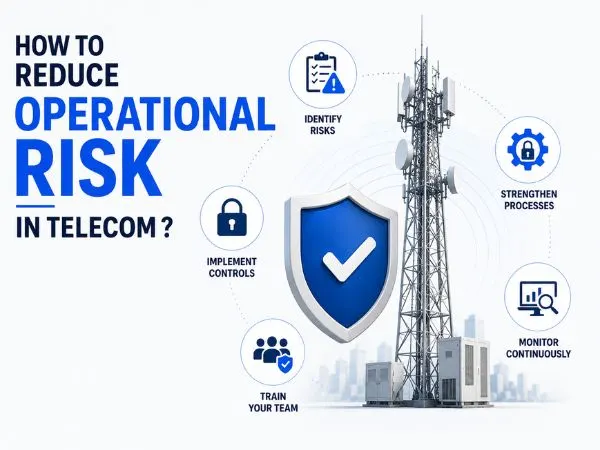
As digital transformation accelerates across the industry, telecom operators encounter rising complexity and a host of distinctive challenges. In this landscape, operational risk management becomes more than a necessity—it is a strategic imperative for minimizing service disruptions, preventing revenue leakage, and protecting brand reputation. Effectively tackling these risks requires a unified approach that integrates technology, optimizes processes, and leverages human expertise, all while keeping customer response and experience at the forefront.
Identifying major sources of operational risk in telecom
A successful mitigation strategy begins with clear visibility over potential threats. The telecom environment is shaped by intricate infrastructure, strict regulatory frameworks, constant technological innovation, and evolving consumer demands—each introducing unique vulnerabilities that must be carefully managed.
Operational threats stem from multiple fronts. For instance, an unexpected service outage can result from network equipment damage, while overlooked changes in regulations may introduce significant regulatory risks. The rapid rise of cybersecurity risks and emerging ai-related risks further complicate this picture, underscoring the need for ongoing vigilance and proactive identification of new challenges. Solutions such as telecom revenue assurance can play a crucial role in addressing these complex risks.
The impact of technology failures and hidden vulnerabilities
Technology failures—from hardware breakdowns to complex software integration issues—can severely disrupt operations and diminish client satisfaction. Such incidents not only lead to direct losses through downtime but also facilitate subtle forms of revenue leakage, such as billing discrepancies or misconfigured network elements. To counteract these risks, intelligent monitoring systems and regular audits play a vital role in early detection and resolution.
Navigating regulatory and cybersecurity landscapes
Telecom providers operate under increasingly complex legislative environments. Sudden regulatory shifts during spectrum allocations, cross-border data exchanges, or the introduction of new communication channels create persistent regulatory risks. Missing these developments can trigger costly penalties and public scrutiny.
At the same time, the escalation of cybersecurity risks—driven by sophisticated threats and expanding attack surfaces—demands robust authentication measures and frequent system updates. Safeguarding sensitive data and ensuring uninterrupted services now require a layered, adaptive security approach.
Key strategies for strengthening operational risk management
Reducing operational risks in the telecom sector calls for comprehensive planning that spans prevention, detection, and swift response mechanisms. Integrating advanced technologies, enhancing staff capabilities, and establishing strong governance structures are essential steps toward resilience.
Given the rapidly shifting threat landscape, organizations benefit most when they combine tactical solutions with longer-term cultural adaptation. This dual focus helps limit financial setbacks and maintains high levels of consumer trust even during periods of transformation.
Addressing revenue leakage and digital transformation risks
With increasing pressure on margins, telecom leaders prioritize automation and real-time analytics to curb revenue leakage linked to network inefficiencies or incorrect billing. Managing digital transformation risks also requires agile methodologies and rigorous change controls, ensuring the safe rollout of new technologies without sacrificing reliability.
Enhancing talent and skills management for operational excellence
Behind every resilient telecom operation stands a skilled workforce ready to respond to technical anomalies and regulatory changes. Effective talent and skills management ensures field engineers, analysts, and support personnel receive continuous training in areas like cybersecurity risks, troubleshooting, and industry standards.
Customer response, ai-related risks, and building future-proof resilience
Placing customer response and experience at the center of risk programs distinguishes leading telecom operators. Promptly restoring service after a disruption—or proactively preventing it—builds loyalty and strengthens market position. Transparent communications, rapid feedback loops, and accessible self-service options turn challenging moments into opportunities for earning trust.
On the innovation front, AI-related risks are gaining prominence. While AI-driven tools streamline tasks and predict failures, mismanaged algorithms could expose organizations to financial loss or ethical concerns.
- Continuously monitor and reassess key risks using dynamic dashboards.
- Conduct simulated outage scenarios to evaluate procedural readiness.
- Document lessons learned post-incident to enhance future responses.
- Engage independent experts for unbiased operational risk assessments.
Ultimately, safeguarding against operational risks in telecom is a journey—not a one-time project. Organizations that invest strategically in technology, nurture their workforce, and champion transparency are best positioned to weather uncertainties and adapt confidently to the future.